Types of Visual Communication Boards
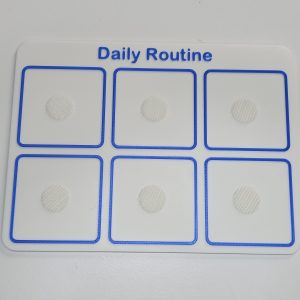
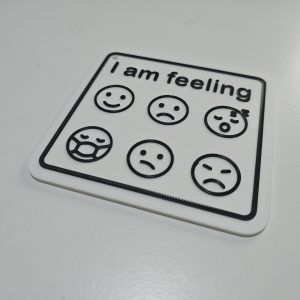
Different boards support different routine structures.
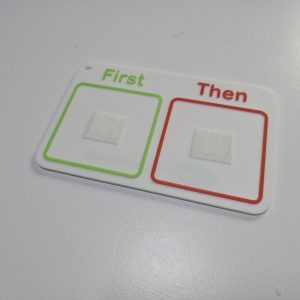
First Then Boards
A First Then board shows what needs to happen before a preferred activity.
Example:
First → Homework
Then → TV
This structure helps encourage task completion and reduce resistance to activities.
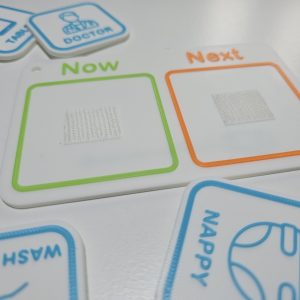
Now Next Boards
A Now Next board shows what is happening now and what will happen next.
Example:
Now → Maths
Next → Break
This helps individuals understand transitions between activities.
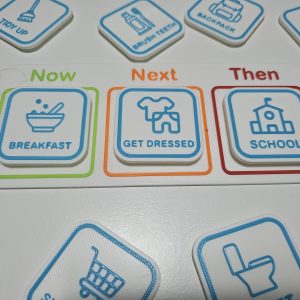
Now Next Then Boards
A Now Next Then board shows a three-step sequence of activities.
Example:
Now → Get Dressed
Next → Breakfast
Then → School
This structure is ideal for building simple daily routines.
Using Visual Routine Tags
Visual communication boards work best when used with Visual Routine Tags.
Tags represent activities such as:
• breakfast
• school
• homework
• dinner
• outside
By combining boards and tags, it becomes possible to create clear visual schedules that help make daily routines easier to understand.
Who Visual Communication Boards Help
Visual routine boards are commonly used to support:
• autistic children
• individuals with SEN or SEND
• non-verbal communication
• ADHD routines
• classroom transitions
• daily home routines
These visual supports help make expectations clearer and reduce anxiety around change.
Visual communication boards are commonly used in autism support strategies and are recommended by organisations such as the National Autistic Society.