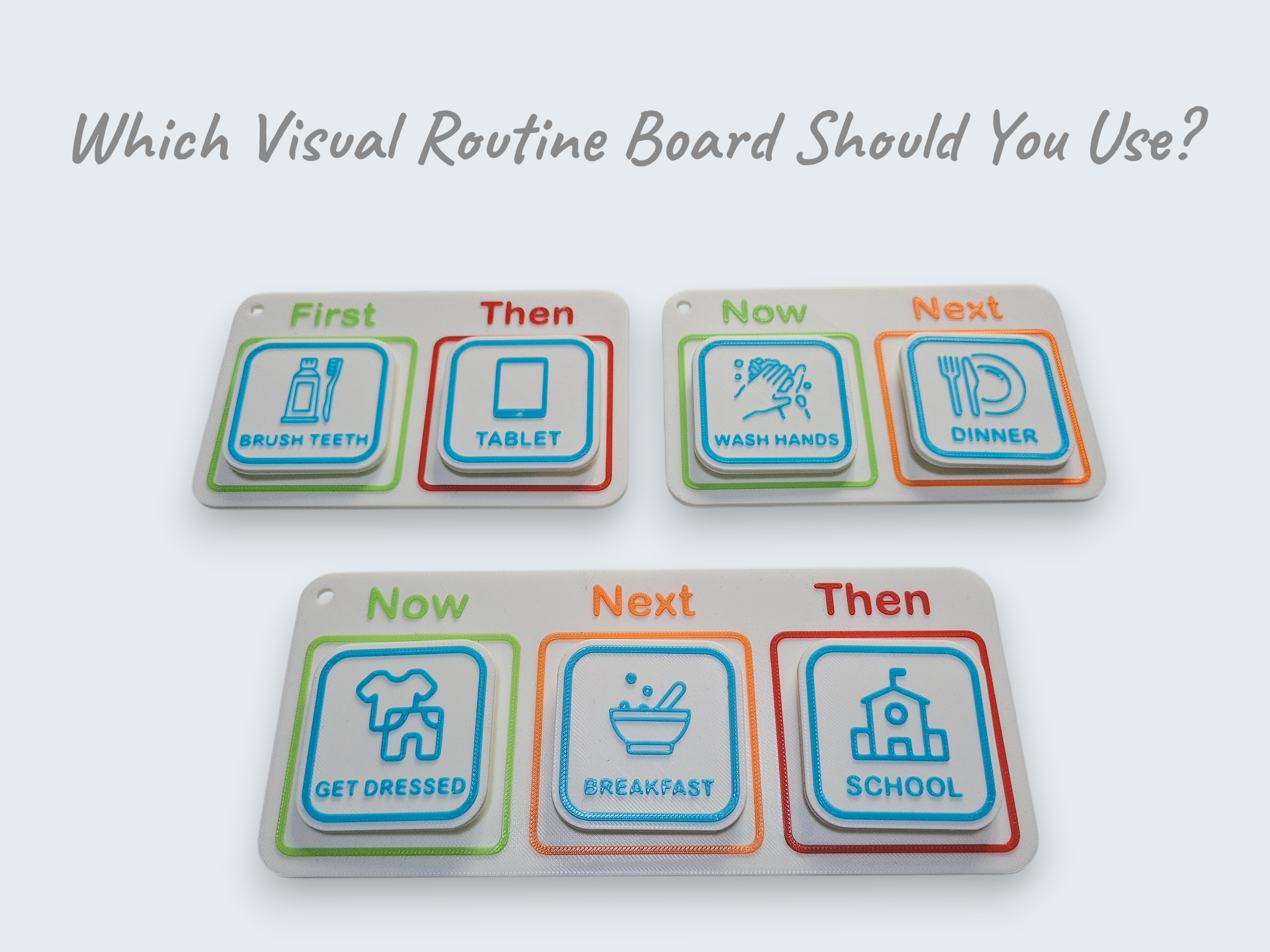
First Then vs Now Next vs Now Next Then Boards: What’s the Difference?
First Then vs Now Next vs Now Next Then Boards: What’s the Difference? First Then vs Now Next board tools are widely used to support

First Then vs Now Next vs Now Next Then Boards: What’s the Difference? First Then vs Now Next board tools are widely used to support
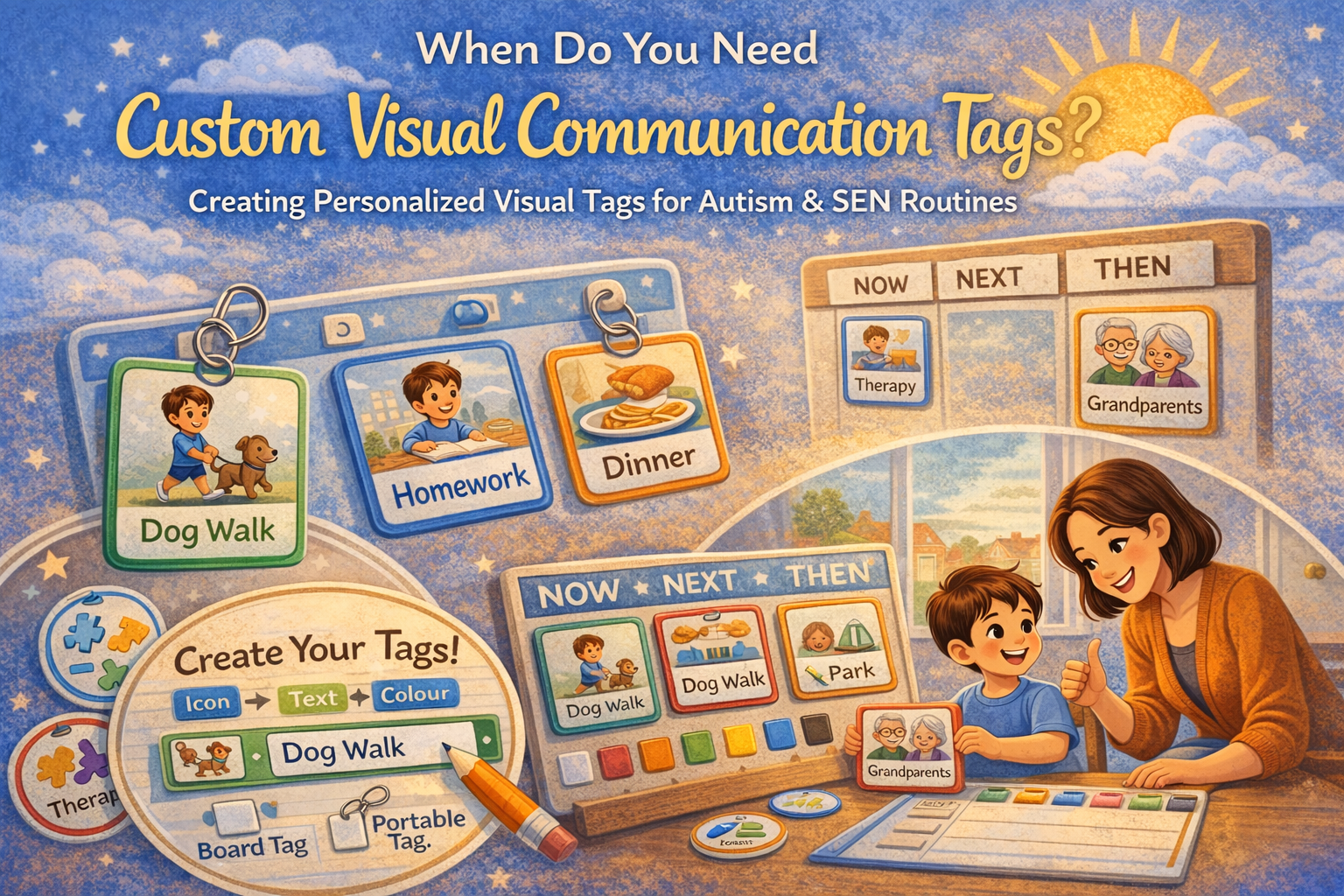
Visual communication tools work best when they reflect real daily routines. While many activities can be covered with standard visual tags, some routines are unique
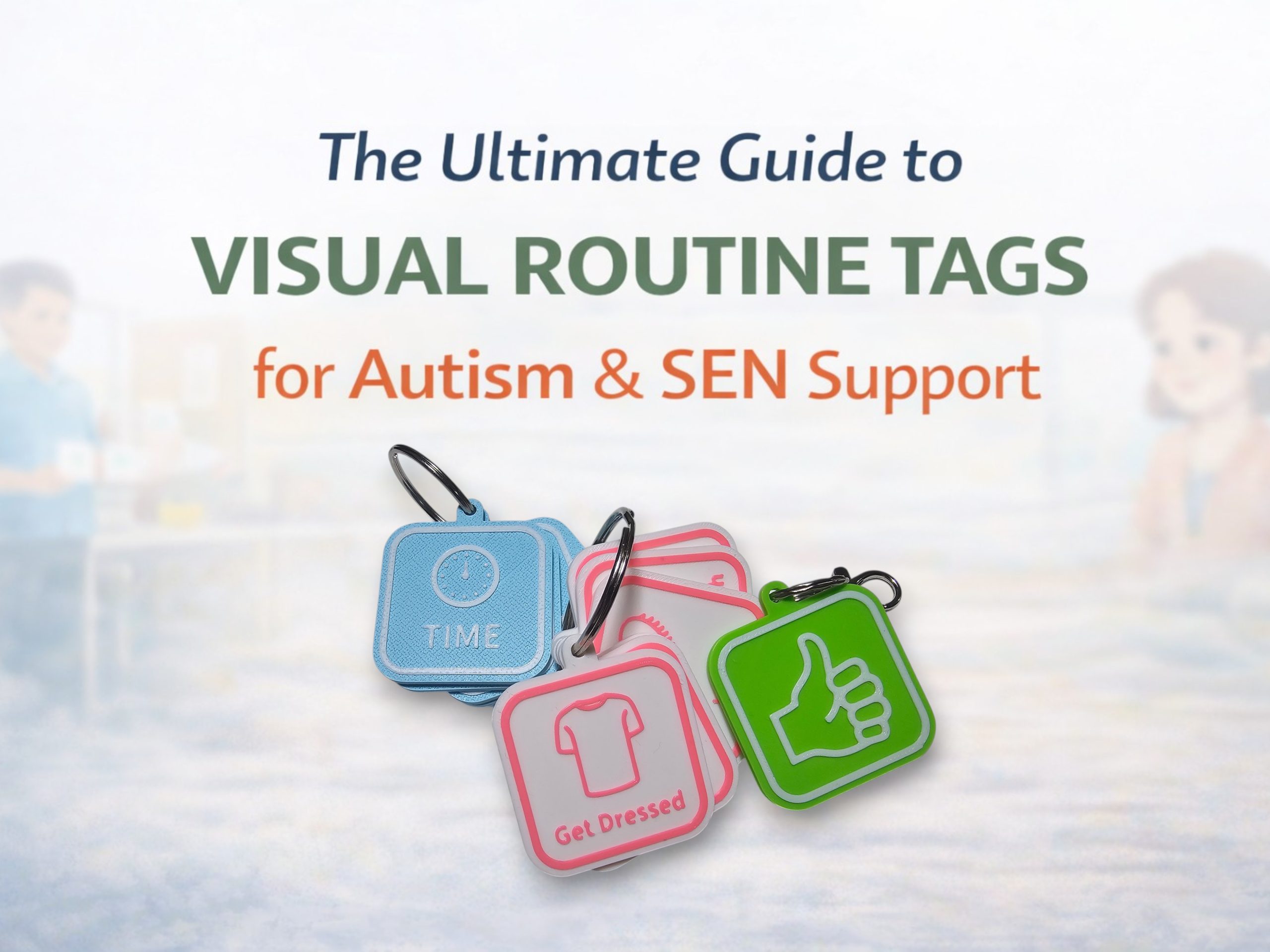
Visual routine tags are simple tools with powerful impact. For autistic individuals and those with additional needs, predictable structure reduces anxiety, supports communication and encourages
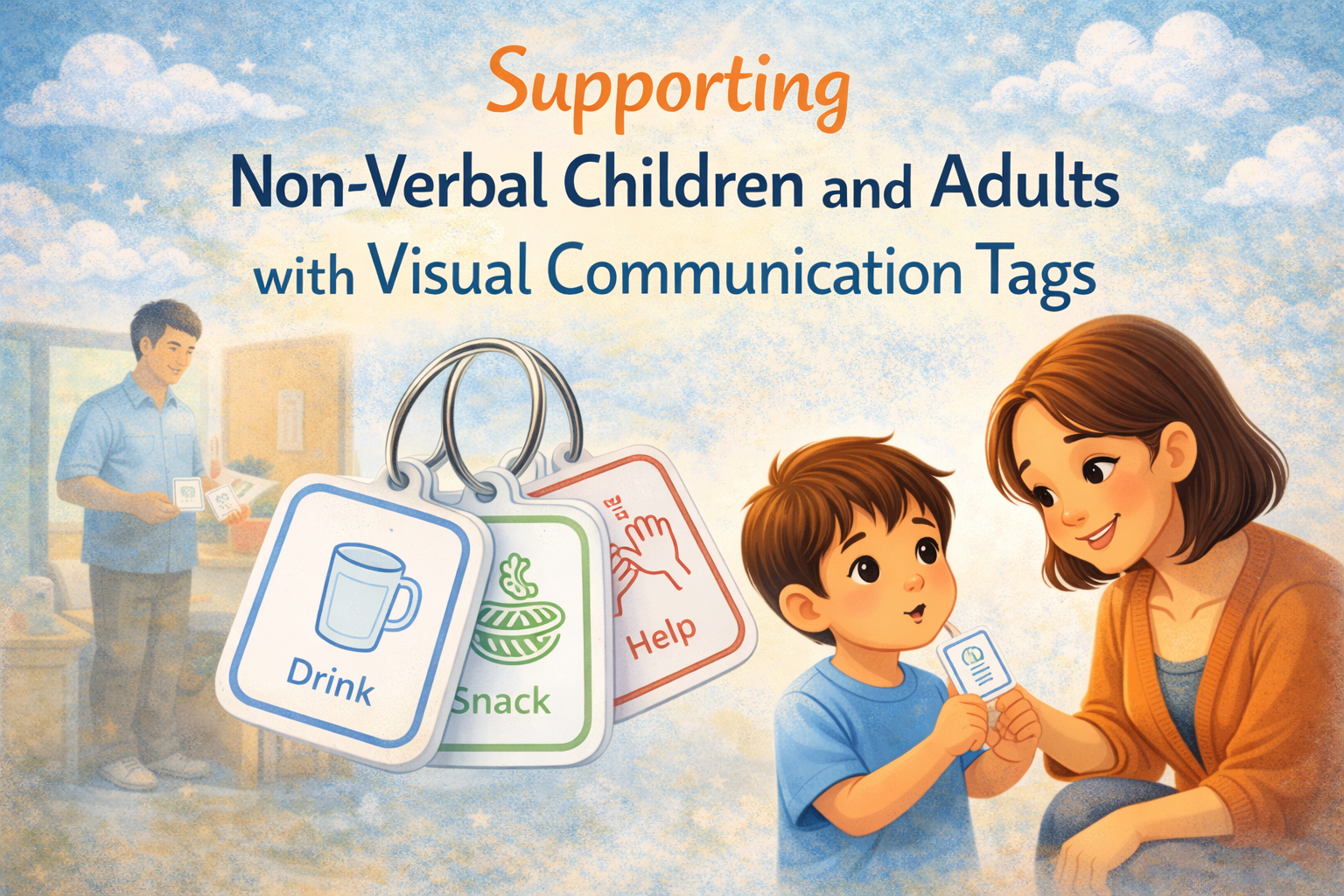
Supporting Non-Verbal Children and Adults with Visual Communication Tags Communication is a fundamental human need. However, for non-verbal children and adults, expressing needs, emotions, and